What Is PGT-P? Understanding Polygenic Embryo Screening in IVF
What exactly is PGT P and how is it different from other genetic testing in IVF?
Read the full post →The Embryopedia Blog
Patient-friendly, science-backed explainers about fertility, embryology, and everything that happens in the IVF lab.
What exactly is PGT P and how is it different from other genetic testing in IVF?
Read the full post →Recent reads
What exactly is PGT P and how is it different from other genetic testing in IVF?
What exactly is tubal factor infertility and how does it affect your IVF journey?
What exactly is an AMH test and how does it benefit someone on their fertility journey?
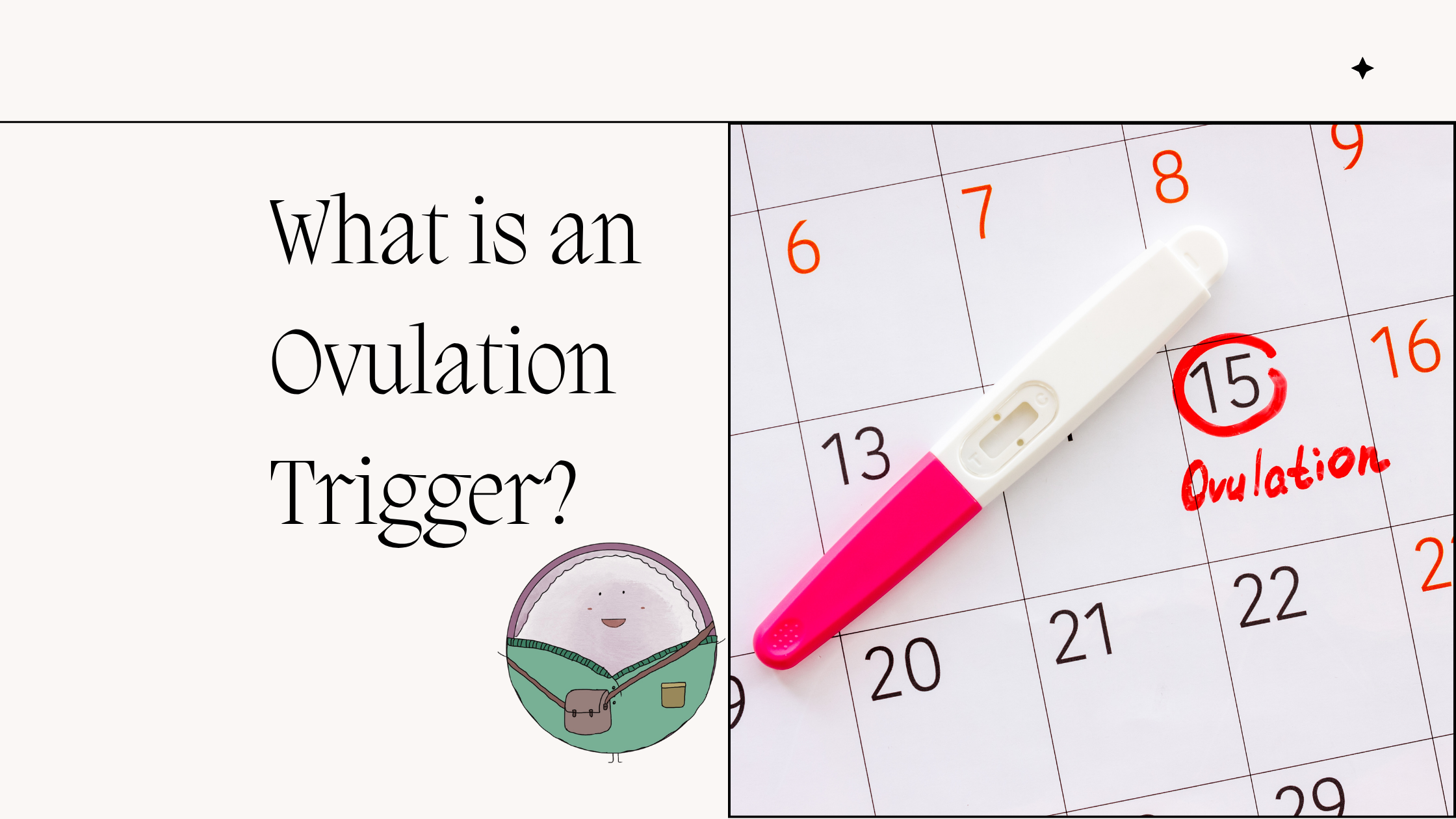
What exactly is an ovulation trigger and how does it work?
Can you really get pregnant if you have no periods? Learn all about how amenorrhea affects your fertility!
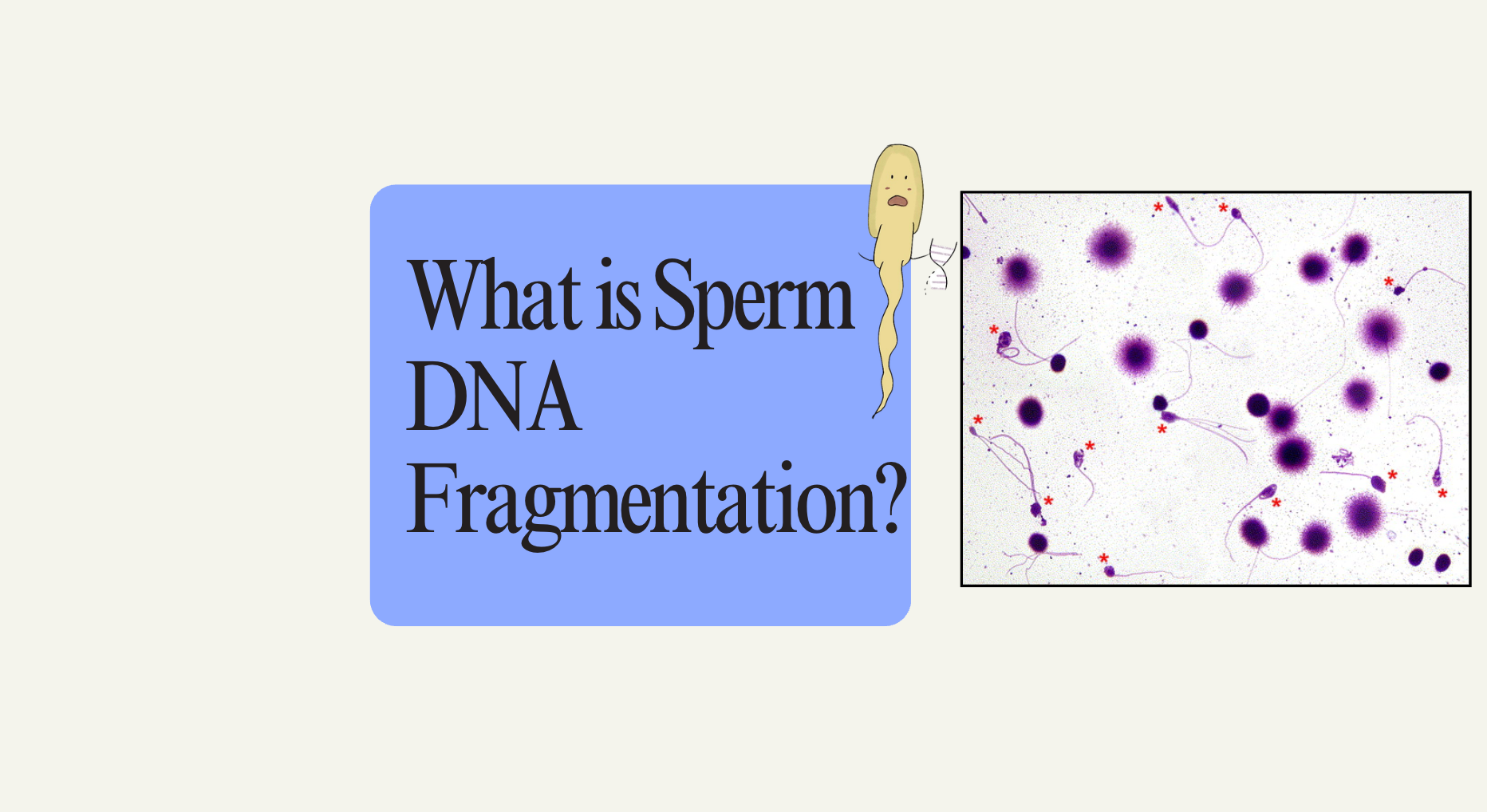
What does sperm DNA fragmentation mean, and how does it affect your IVF or ICSI cycle?
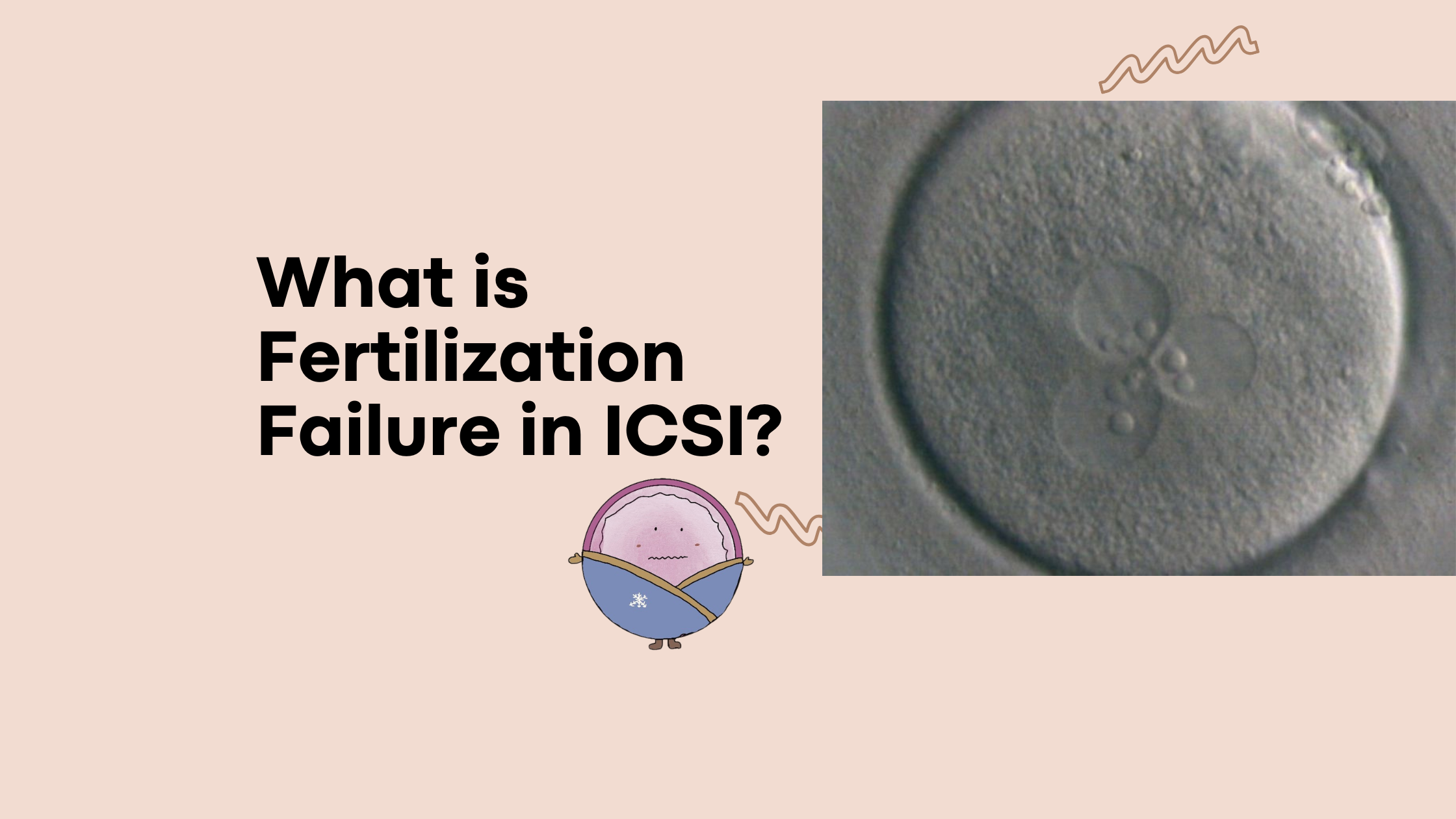
Can fertilization failure really happen with ICSI?
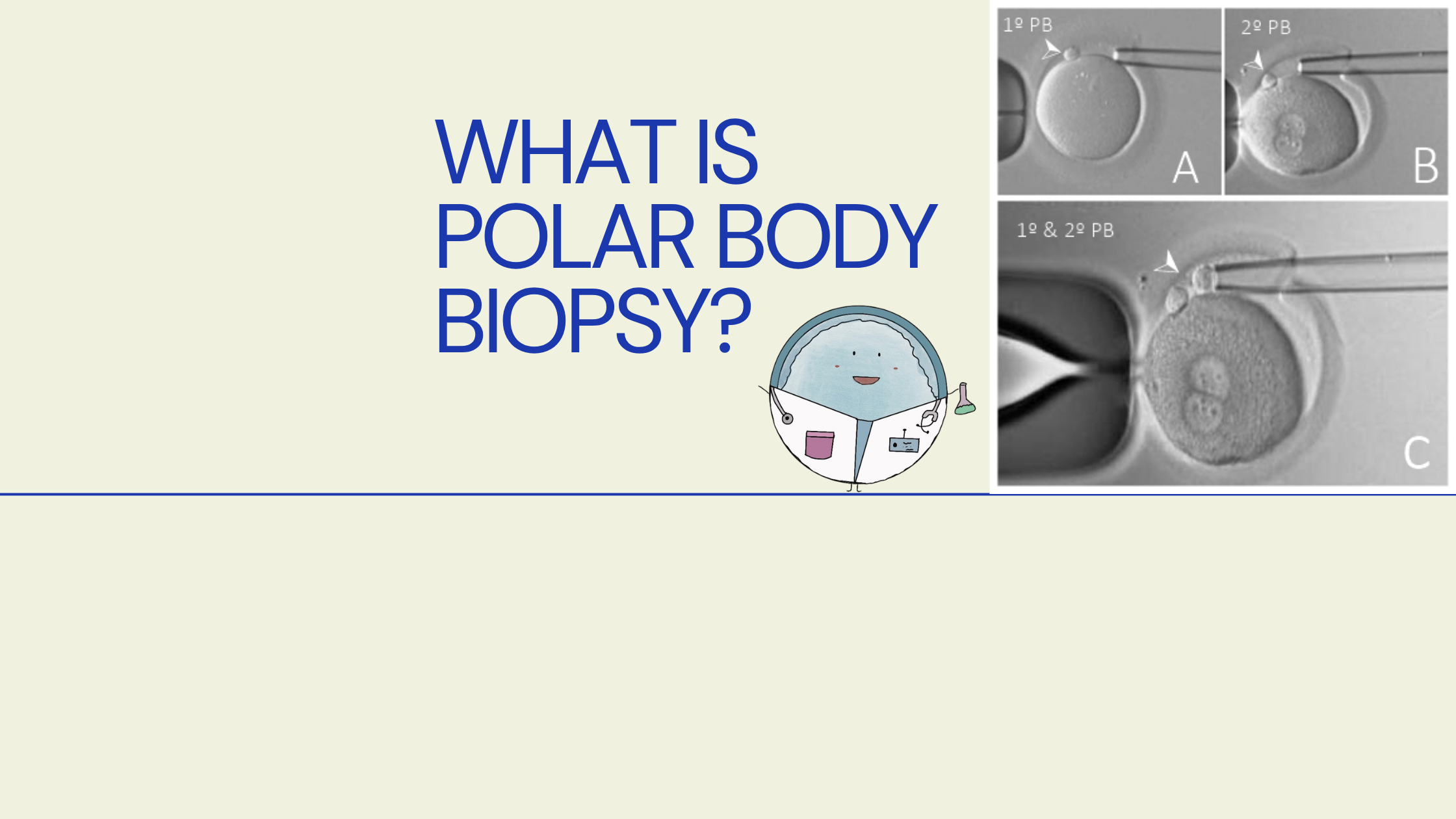
What is a polar body biopsy and how does it differ from an embryo biopsy?
Ever wondered what artificial oocyte activation is and why it's being recommended? Read on to know more!
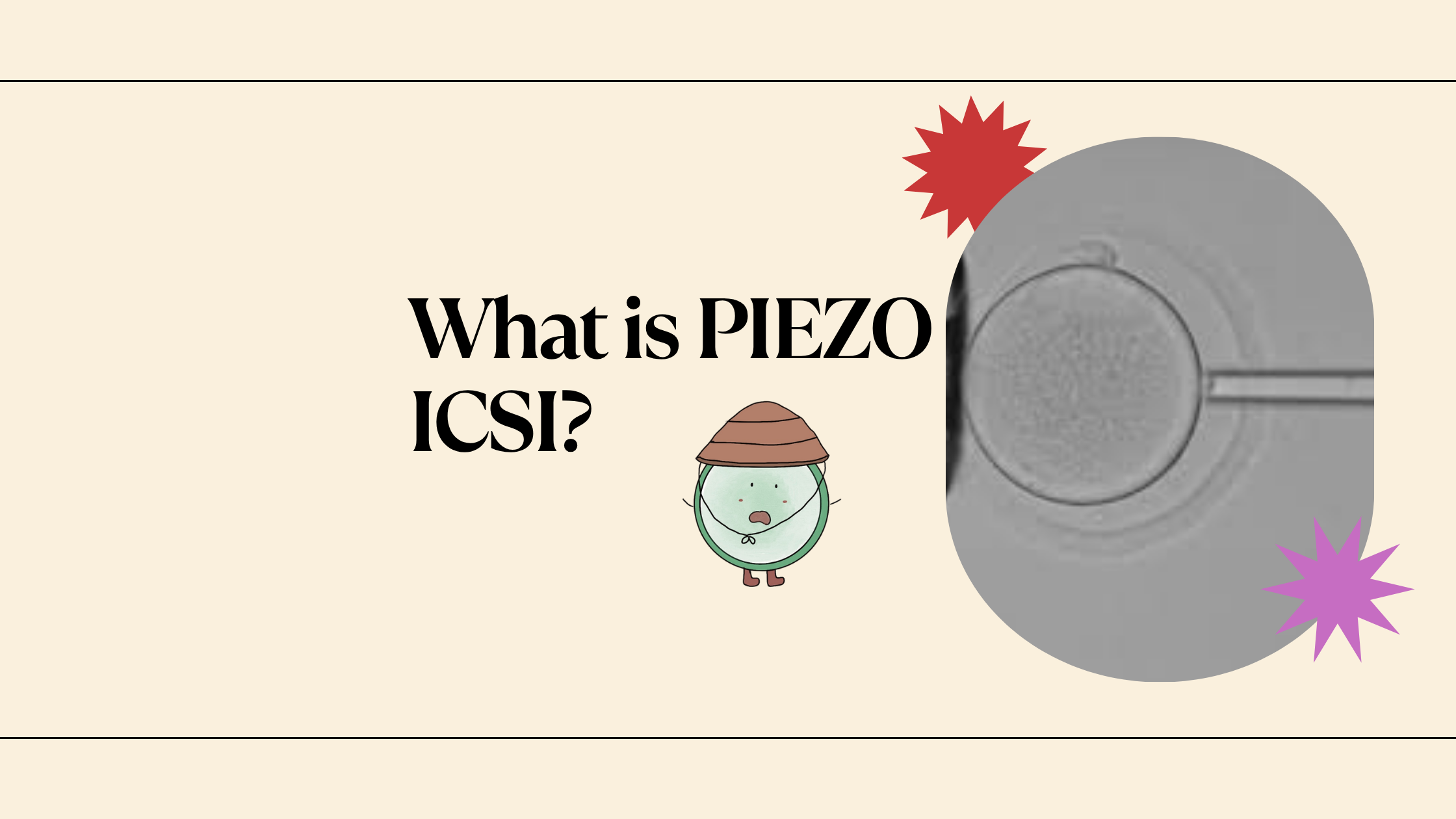
What exactly is Piezo ICSI and how does it differ from regular ICSI?
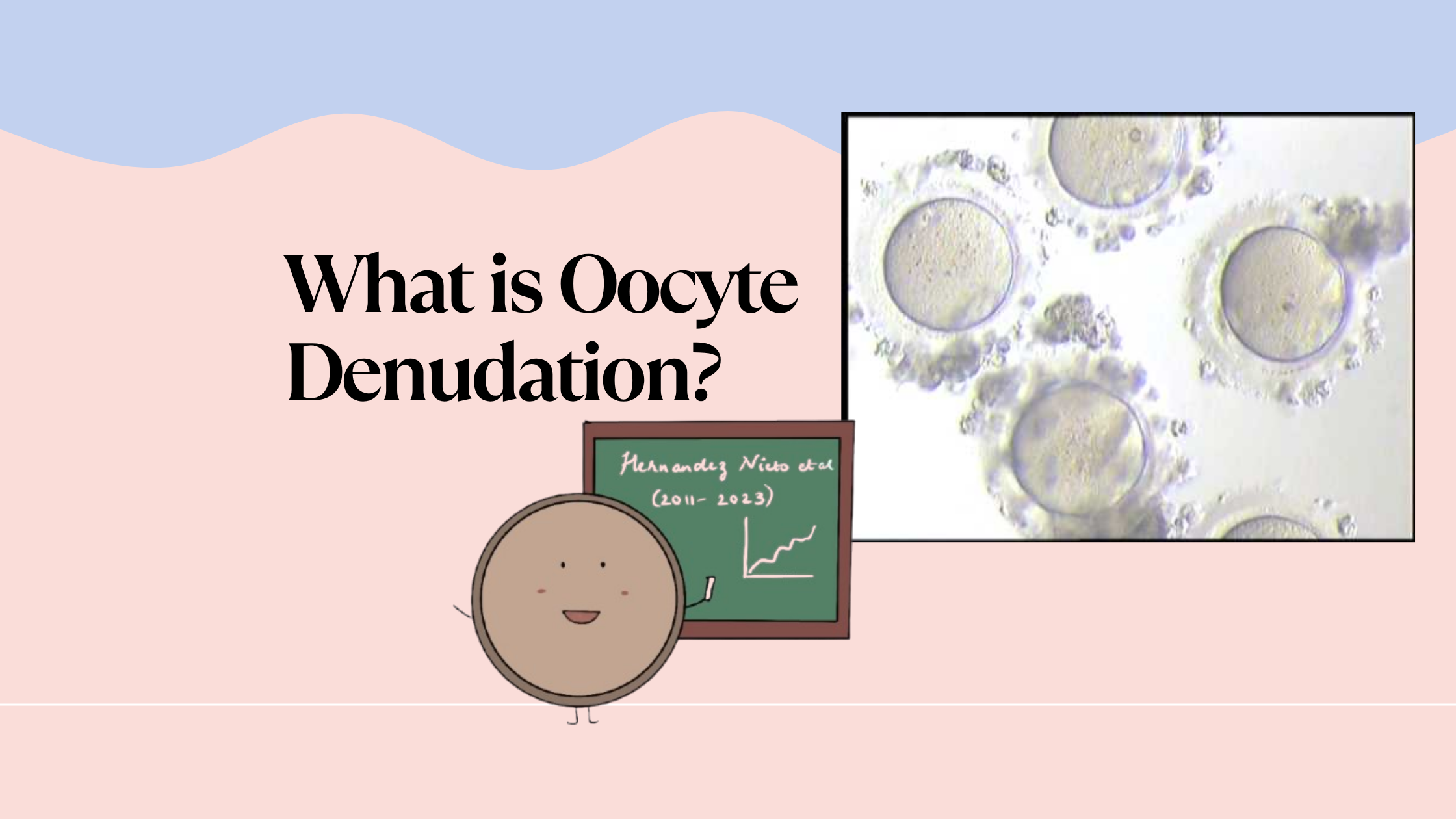
Ever wondered what oocyte denudation is and the role it plays in IVF?
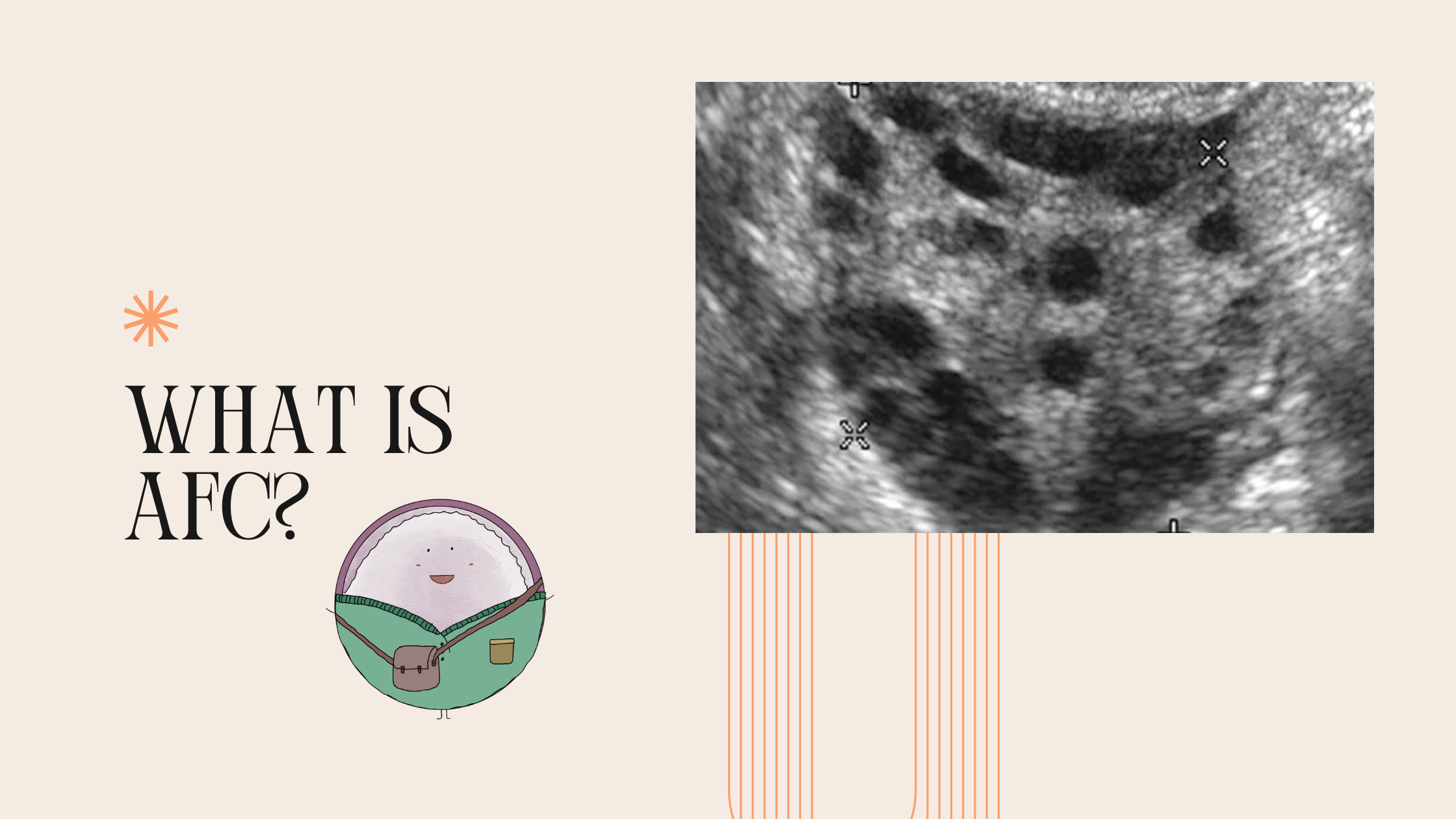
Wondering what AFC is and how it helps your IVF or egg freezing cycle?
Ever wondered the journey to becoming an embryologist and which route to take academically? Here's a breakdown of the courses to pick to become an embryologist!
With IVF, one of the most important steps is the frozen embryo transfer. It’s where your fertilized egg and sperm have spent around 3-5 days in the lab, and grown into a ball of cells called the embryo.